Blog
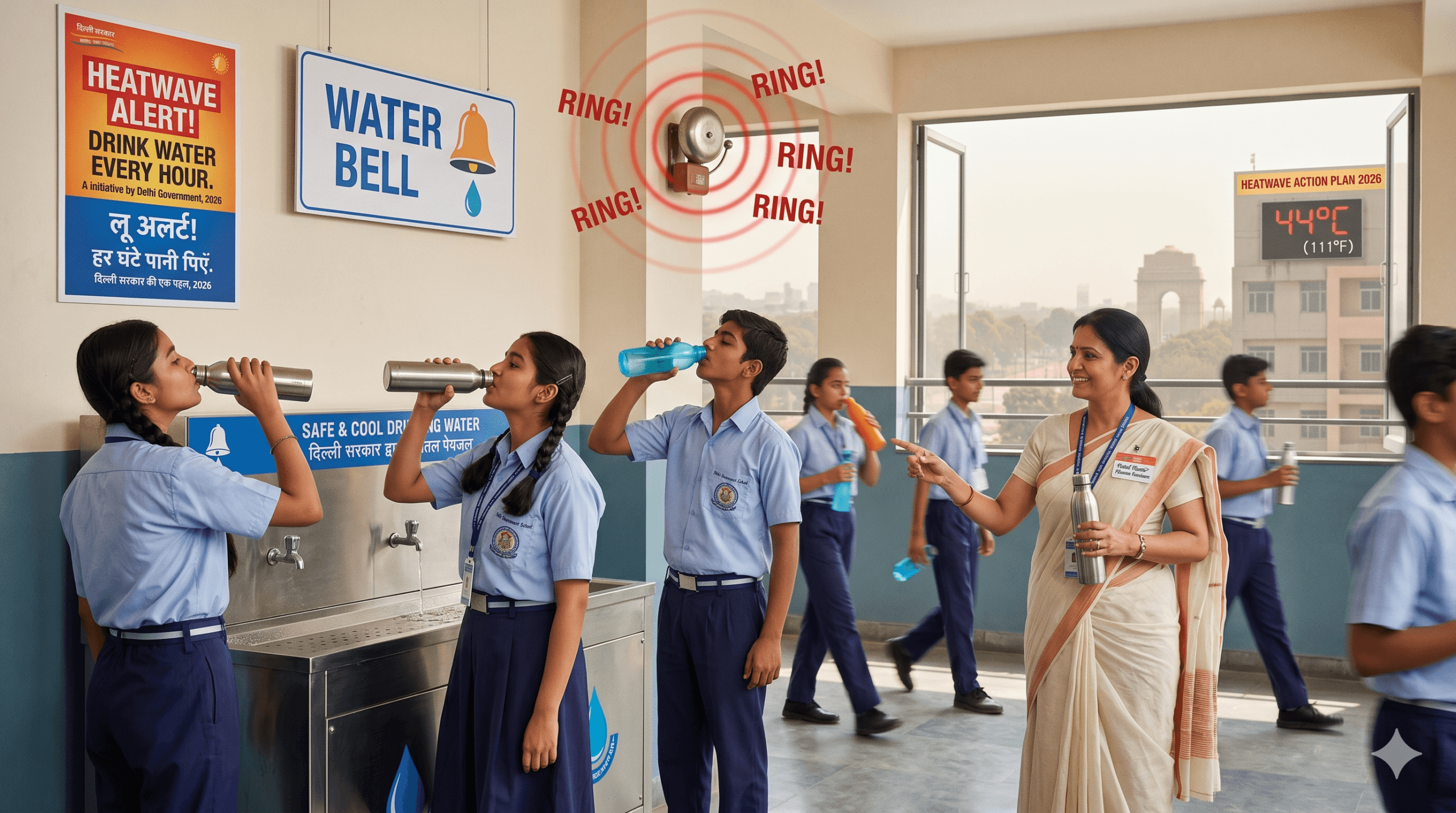

Table of Contents
Introduction to Why Delhi Schools Introduced Water Bells
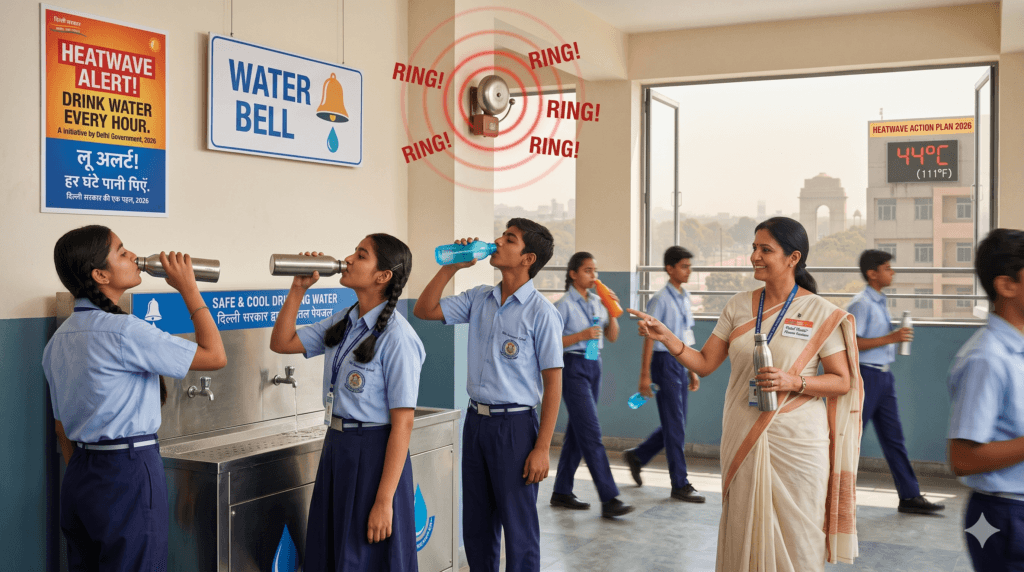
In 2026, schools across Delhi began implementing an unusual but highly impactful initiative: Water Bells. Unlike traditional school bells that signal class changes, these bells were introduced for a much more important reason, protecting students from dehydration during extreme heat conditions.
The initiative emerged after the Directorate of Education (DoE), Government of Delhi, issued a heatwave advisory following warnings from the India Meteorological Department (IMD). With temperatures crossing 42°C and heatwave conditions becoming increasingly frequent, schools were instructed to adopt preventive measures that would safeguard students from heat-related illnesses.
Among the various recommendations, one stood out because of its simplicity and effectiveness: ringing a water bell every 45–60 minutes to remind students to drink water.
What may appear to be a small administrative change is actually part of a much larger conversation about climate change, student health, hydration, and preventive wellness. As India faces rising temperatures and increasing heatwave incidents, Delhi’s water bell initiative offers valuable lessons for schools, parents, and families across the country.
According to the Delhi Directorate of Education’s April 2026 heatwave advisory, schools were instructed to implement a Water Bell system every 45–60 minutes, ensure the availability of safe drinking water, limit outdoor exposure during peak heat hours, and take additional precautions to protect students from heat-related illnesses. These measures were issued following heatwave warnings from the India Meteorological Department (IMD).
Sources: NDTV, Times of India, and Careers360 coverage of the advisory.
Understanding the Delhi Water Bell Initiative
What Is a Water Bell?
A water bell is a scheduled reminder introduced within school hours to encourage students to drink water regularly.
Instead of waiting for children to feel thirsty, schools proactively remind them to hydrate at fixed intervals throughout the day.
The objective is simple:
- Prevent dehydration
- Reduce heat-related health risks
- Improve student wellbeing
- Encourage healthy hydration habits
- Create awareness about water consumption
In Delhi schools, teachers were instructed to encourage students to drink water whenever the bell rang, making hydration a structured part of the school day.
Why Delhi Schools Introduced Water Bells in 2026
Rising Heatwave Conditions Across Delhi
The primary reason behind the initiative was the increasing intensity of heatwaves affecting the National Capital Region.
Delhi has experienced:
- Higher summer temperatures
- Longer heatwave periods
- Increased humidity levels
- Greater risk of heat exhaustion
- More cases of dehydration
The concern is not theoretical. Delhi has recorded temperatures above 45°C during recent summer seasons, with heatwave conditions becoming more frequent across North India. According to meteorological data, prolonged exposure to such temperatures significantly increases the risk of dehydration, heat exhaustion, and heat-related illnesses, particularly among children.
Climate experts have repeatedly warned that heatwaves are becoming more frequent and severe due to changing weather patterns.
Children are particularly vulnerable because:
- Their bodies heat up faster than adults
- They often engage in physical activities
- They may not recognize dehydration symptoms early
- They are less likely to monitor their water intake
This concern is echoed by pediatric health experts. Children are generally more vulnerable to heat-related illnesses because they can lose fluids quickly during outdoor activities and may not always recognize the early signs of dehydration. Pediatricians therefore recommend regular hydration during hot weather, and the Indian Academy of Pediatrics (IAP) has long emphasized adequate fluid intake as an important part of heat illness prevention.
The water bell initiative was introduced as a preventive response to these growing risks.
Student Safety Became the Priority
The Delhi Directorate of Education recognized that dehydration can affect students long before serious symptoms become visible.
Even mild dehydration can cause:
- Fatigue
- Headaches
- Dizziness
- Reduced concentration
- Irritability
- Lower classroom performance
By encouraging students to drink water every hour, schools aim to prevent dehydration before it affects learning and health.
Water Bells Were Part of a Larger Heatwave Action Plan
More Than Just Hydration Reminders
The water bell initiative was introduced alongside several other protective measures designed to keep students safe during extreme weather conditions.
Schools were advised to:
- Ring water bells every 45–60 minutes
- Ensure availability of clean drinking water
- Shift assemblies indoors
- Avoid outdoor activities during peak heat hours
- Increase awareness about heat-related illnesses
- Display health advisories around campuses
- Implement buddy systems to monitor student wellbeing
These measures reflect a broader shift toward preventive health management within educational institutions.
How Heatwaves Affect Students
Dehydration Happens Faster Than Most People Realize
The human body constantly loses water through:
- Sweating
- Breathing
- Physical activity
- Normal metabolic functions
During hot weather, water loss increases significantly. Children are especially vulnerable because they generate more body heat during physical activity and may not replace lost fluids quickly enough. Even a fluid loss of just 1–2% of body weight can begin affecting physical performance and concentration.
Students may lose fluids through:
- Walking to school
- Playing during recess
- Sports activities
- Classroom heat exposure
Without regular water intake, dehydration can develop surprisingly quickly.
Common Signs of Dehydration in Children
Health experts estimate that children can lose significant amounts of fluid through sweating during outdoor play and sports activities, especially when temperatures exceed 35°C. Without regular fluid replacement, dehydration can develop more quickly than many parents realize.
Parents and teachers should watch for:
- Dry mouth
- Excessive thirst
- Headaches
- Fatigue
- Lack of concentration
- Reduced energy
- Dizziness
- Dark-colored urine
These symptoms often appear before more serious heat-related complications develop.
The Science Behind Hydration and Learning
Why the Brain Needs Water
The human brain consists of approximately 75% water, while water accounts for roughly 60% of total body weight in older children and adults. Water plays a critical role in cognitive function, memory formation, attention span, information processing, mood regulation, temperature control, and nutrient transport throughout the body.
Research has shown that even mild dehydration can affect attention, short-term memory, mood, and cognitive performance. Some studies have found measurable declines in concentration and mental alertness when hydration levels drop by as little as 1–2% of body weight.
Water plays a critical role in:
- Cognitive function
- Memory formation
- Attention span
- Information processing
- Mood regulation
When hydration levels drop, brain performance can suffer.
Research has shown that even mild dehydration can negatively impact:
- Learning ability
- Classroom participation
- Academic performance
- Mental alertness
This makes hydration an educational issue as much as a health issue.
Better Hydration Supports Better Academic Outcomes
Several studies have reported improvements in attention, concentration, and classroom engagement among students who maintain adequate hydration throughout the school day.
Students who stay hydrated often experience:
- Improved focus
- Better concentration
- Increased alertness
- Enhanced memory retention
- Higher participation levels
The water bell initiative directly supports these outcomes by making hydration a consistent habit.
Why Water Consumption Habits Need Improvement
Many Children Don’t Drink Enough Water
One challenge identified by educators and health professionals is that children often fail to drink enough water during school hours.
Reasons include:
- Busy schedules
- Classroom distractions
- Lack of awareness
- Waiting until they feel thirsty
Unfortunately, thirst is often a delayed indicator of dehydration.
By the time a child feels thirsty, the body may already be experiencing fluid deficiency.
The water bell system addresses this problem by encouraging proactive hydration.
Climate Change and School Health Policies
Schools Are Adapting to New Environmental Realities
The introduction of water bells reflects a growing recognition that educational institutions must adapt to climate-related challenges.
Across India, schools are increasingly focusing on:
- Heat safety
- Air quality awareness
- Hydration programs
- Nutrition initiatives
- Mental health support
As temperatures continue to rise, hydration-focused policies may become standard practice nationwide.
Delhi Schools introduced water bells: But they are not Alone
While Delhi’s 2026 initiative received significant attention, similar programs have previously been introduced in other Indian states.
Schools in:
- Kerala
- Karnataka
- Telangana
have also experimented with hydration reminder systems during periods of extreme heat.
Delhi’s implementation is significant because of its scale and visibility, potentially inspiring wider adoption across the country.
The Bigger Question: Are Children Drinking Enough Quality Water?
Hydration Is Not Just About Quantity
The water bell initiative successfully addresses how often children drink water.
However, it also raises another important question:
What kind of water are students drinking?
Modern hydration discussions increasingly focus on:
- Water quality
- Mineral content
- Purification methods
- pH balance
- Safe drinking water access
Simply drinking more water is beneficial, but the quality of that water also matters.
Why Water Quality Matters
Clean Drinking Water Is Essential
Schools and households must ensure that drinking water is:
- Safe
- Free from contaminants
- Properly filtered
- Pleasant tasting
- Easily accessible
Poor-quality water can discourage children from drinking enough water throughout the day.
The Growing Interest in Better Hydration Solutions
Health-conscious families are increasingly exploring advanced water technologies that focus on:
- Mineral retention
- Enhanced hydration
- Better taste
- Water quality optimization
This growing awareness has led many families to learn more about alkaline water, hydrogen-rich water, and modern water ionization systems.
Check out the Best Water Purifier for Home in India
Understand the difference: Alkaline Water vs RO Water
Click here to understand Alkaline Water pH Levels
Lessons Parents Can Learn from the Water Bell Initiative
Create Hydration Habits at Home
The success of water bells highlights the importance of routine.
Parents can encourage hydration by:
- Providing reusable water bottles
- Setting hydration reminders
- Encouraging water before meals
- Making water easily accessible
- Teaching children about dehydration
These simple habits can create lifelong health benefits.
Lead by Example
Children often imitate adult behavior.
Parents who prioritize hydration themselves are more likely to raise children who understand the importance of drinking water regularly.
Practical Hydration Tips for Parents During Summer
The success of Delhi’s Water Bell initiative highlights an important lesson: healthy hydration habits work best when they become part of a daily routine.
While schools can encourage water consumption during classroom hours, parents play a crucial role in helping children stay hydrated throughout the day, especially during periods of extreme heat.
Start the Day with Water
Encourage children to drink a glass of water soon after waking up and before leaving for school. Beginning the day well-hydrated can help offset fluid losses caused by heat and physical activity.
Send Children with a Full Water Bottle
A simple but effective habit is ensuring children leave home with a clean, fully filled water bottle. Parents can also encourage children to refill their bottles during the school day whenever possible.
Encourage Drinking Water Before Feeling Thirsty
Many children wait until they feel thirsty before drinking water. However, thirst is often a late sign that the body already needs fluids. Regular sipping throughout the day is generally more effective than drinking large amounts at once.
Include Water-Rich Foods in Daily Meals
Hydration does not come only from drinking water. Fruits and vegetables with high water content can contribute to overall fluid intake.
Examples include:
- Watermelon
- Muskmelon
- Cucumber
- Oranges
- Strawberries
- Tomatoes
These foods can be especially refreshing during hot summer months.
Limit Sugary and Highly Processed Beverages
Soft drinks, sugary juices, and heavily sweetened beverages may not support hydration as effectively as plain water. Encouraging water as the primary beverage helps build healthier long-term habits.
Teach Children to Recognize Dehydration Symptoms
Parents should help children understand common signs of dehydration, including:
- Excessive thirst
- Dry mouth
- Headaches
- Fatigue
- Dizziness
- Dark-colored urine
Recognizing these symptoms early can help prevent more serious heat-related complications.
Make Water Easily Accessible
Children are more likely to drink water when it is readily available. Keeping water bottles visible and easily accessible at home can encourage more frequent hydration throughout the day.
Small daily habits often create the biggest long-term benefits. By combining school-based initiatives such as Water Bells with healthy hydration routines at home, parents can help children stay safer, healthier, and better prepared to cope with rising summer temperatures.
Could Water Bells Become Common Across India?
A Model for Future School Health Programs
As climate challenges intensify, hydration-focused initiatives may become increasingly common.
The benefits are clear:
- Reduced dehydration risk
- Better student health
- Improved classroom performance
- Greater awareness of wellness
- Enhanced heatwave preparedness
The low cost and simplicity of water bells make them one of the most practical public health interventions available to schools.
Frequently Asked Questions
What is a water bell in schools?
A water bell is a scheduled reminder that encourages students to drink water at regular intervals throughout the school day.
Why did Delhi schools introduce water bells in 2026?
Delhi schools introduced water bells as part of a heatwave safety initiative to prevent dehydration and protect student health during extreme temperatures.
How often do water bells ring?
Schools were advised to ring water bells approximately every 45–60 minutes.
How does dehydration affect students?
Dehydration can cause headaches, fatigue, poor concentration, dizziness, and reduced academic performance.
Can water bells improve learning outcomes?
Yes. Proper hydration supports brain function, concentration, memory, and overall classroom performance.
Are water bells used in other Indian states?
Yes. Similar hydration initiatives have been implemented in states such as Kerala and Karnataka during periods of extreme heat.
Why is hydration becoming more important in schools?
Rising temperatures, increasing heatwaves, and growing awareness about student wellness have made hydration a major public health priority.
Conclusion
Delhi school introduced water bells in 2026 represents a thoughtful and proactive response to one of India’s growing challenges: extreme heat and the health risks that accompany it.
What began as a simple reminder to drink water has evolved into a broader conversation about student health, climate resilience, hydration awareness, and preventive wellness.
The Delhi Water Bell Initiative demonstrates that effective public health solutions do not always require complex technology or large budgets. Sometimes, a small intervention can create meaningful improvements in student safety, learning, and overall wellbeing. By encouraging regular hydration, schools can help reduce the risk of dehydration, support cognitive performance, and promote healthier daily habits.
For parents, educators, and policymakers, the message is clear: hydration is not a minor health issue. It is a fundamental requirement for learning, safety, and long-term wellness. As temperatures in parts of India increasingly approach or exceed 45°C during peak summer months, hydration awareness may become as important in schools as attendance and academics.
In a future where heatwaves are becoming more common, the humble water bell may prove to be one of the smartest innovations in school health management.