
Blog
Best Alkaline Ionizer for High-TDS Water in India: A Buyer’s Guide for 2025
- Posted By
-
 Miezu Water Expert
- On
- No Comments
- Uncategorized

Table of Contents
Table of Contents
Introduction
Choosing the right alkaline ionizer in India isn’t as simple as buying one with “more plates” or a “higher pH range.” It’s not just about how advanced or premium the machine is – it’s about whether it will actually work in your city’s water conditions, especially if your water supply has high TDS (Total Dissolved Solids).
If you live in a city like Jaipur, Chennai, Gurugram, Pune, or Indore, chances are your water isn’t just “tap water” – it’s hard water. And hard water changes the game when it comes to choosing a water purifier or ionizer.
Most ionizer brands never talk about this because it complicates the sale. But the truth is simple: an ionizer that performs well in Bengaluru may fail completely in Jaipur due to mineral load. And a device that works beautifully on Mumbai’s treated lake water might scale up and clog within weeks in Chennai unless it’s paired with the right pre-filtration system.
Instead of asking “Which ionizer is the best?”, the better question is “Which ionizer is best for my water?”
1. Why High-TDS Water Matters When Buying an Alkaline Ionizer
TDS – or Total Dissolved Solids – refers to the concentration of minerals and salts dissolved in water. In India, most cities have variable TDS depending on source type:
| Source Type | TDS Range (ppm) |
|---|---|
| Municipal supply (treated lake water) | 80–250 |
| Borewell water | 400–1,200 |
| Tanker water (industrial supply) | 300–900 |
| Groundwater via hand pumps | 800–2,000+ |
Hard water reduces the efficiency of electrolysis plates and can shorten filter lifespan, damage internal chambers, and reduce hydrogen output. That’s why a TDS-based approach to ionizer selection matters – and why most buyers in India end up being disappointed after buying the wrong machine for their city.
2. India’s High-TDS Map: Know Where You Stand
| City | Avg TDS (ppm) | Type of Water | Recommended Setup |
|---|---|---|---|
| Mumbai | 80–200 | Municipal lake water | Ionizer-only works |
| Bangalore | 200–450 | Borewell-mixed | Pre-filter + Ionizer |
| Pune | 350–650 | Borewell + supply | Anti-scale + Ionizer |
| Chennai | 600–1,100 | Borewell + desalinated | RO + Ionizer required |
| Jaipur | 900–1,800 | Groundwater | RO + Ionizer mandatory |
| Delhi (outer) | 500–1,200 | Borewell + tanker | RO + Ionizer |
| Gurgaon | 800–1,500 | Borewell + supply | RO + Ionizer |
| Indore | 700–1,300 | Groundwater | RO + Ionizer |
| Kochi | 110–250 | Municipal | Ionizer-only works |
Quick guide:
- Under 300 ppm → Ionizer directly, no RO required
- Between 300–800 ppm → Sediment + anti-scale pre-filter before ionizer
- Over 800 ppm → RO + mineralizer + ionizer – in that order
Buying the wrong machine doesn’t just reduce performance – in high-TDS cities it can damage the ionizer permanently.
3. How to Choose an Ionizer Based on Your Input Water TDS
Here’s the decision framework no brand will ever show you – but every buyer needs:
TDS < 200 ppm (Soft Water)
Cities: Mumbai, Chandigarh, parts of Bangalore
Best Setup: Ionizer-only (with basic sediment filter)
TDS 200–400 ppm (Slightly Hard)
Cities: Mysore, Kochi, Central Bangalore
Best Setup: Sediment + carbon pre-filter + ionizer
TDS 400–800 ppm (Hard Water)
Cities: Pune, Hyderabad, Nagpur
Best Setup: Anti-scale + sediment + ionizer
TDS 800–1,500 ppm (Very Hard Water)
Cities: Chennai, Gurgaon, parts of Delhi, Jaipur
Best Setup: RO + mineral cartridge + ionizer
TDS > 1,500 ppm
Cities: Jodhpur, rural Rajasthan, mining belts
Setup: Not recommended unless full treatment is installed
If a brand says “works with all water types,” but doesn’t talk about TDS behavior – that’s a red flag.
4. 7 Things Every High-TDS Ionizer Buyer Should Look For
Buying an ionizer is not like buying an air purifier or water softener. You’re buying a controlled electrolysis device that must interact with your local water chemistry. Here are the real deal-breakers:
1. Plate Material and Type
- Look for solid titanium plates coated with platinum
- Avoid mesh-only plates in hard water cities – they scale faster
2. Plate Count + Power
- Minimum 5 plates for low TDS cities
- 7 or more plates recommended for high-TDS regions
3. Built-in Descaling Mode
- Auto-electrode reversal
- Acid rinse mode
- Lime-scale buildup protection
4. Pre-Filter Compatibility
- The ionizer should be compatible with external sediment or anti-scale filters
- Some brands void warranty if pre-filters are used – avoid those
5. Real Hydrogen Output Values
- Ask for hydrogen ppm values tested using reagent/meter
- Not “up to 1500 ppb” – look for real readings of 0.8–1.5 ppm
6. Filter Replacement Cost
- Lower than 20% of product cost per year
7. Water Pressure and Voltage Support
- Must support 120–220V fluctuating input
- Must work in low-pressure water tank setups
If a salesperson talks only about pH levels, walk away – that’s not the full story.
5. Best Alkaline Ionizers for High-TDS Water in India (2025 Shortlist)
| Model | Best For | TDS Compatibility | Notes |
|---|---|---|---|
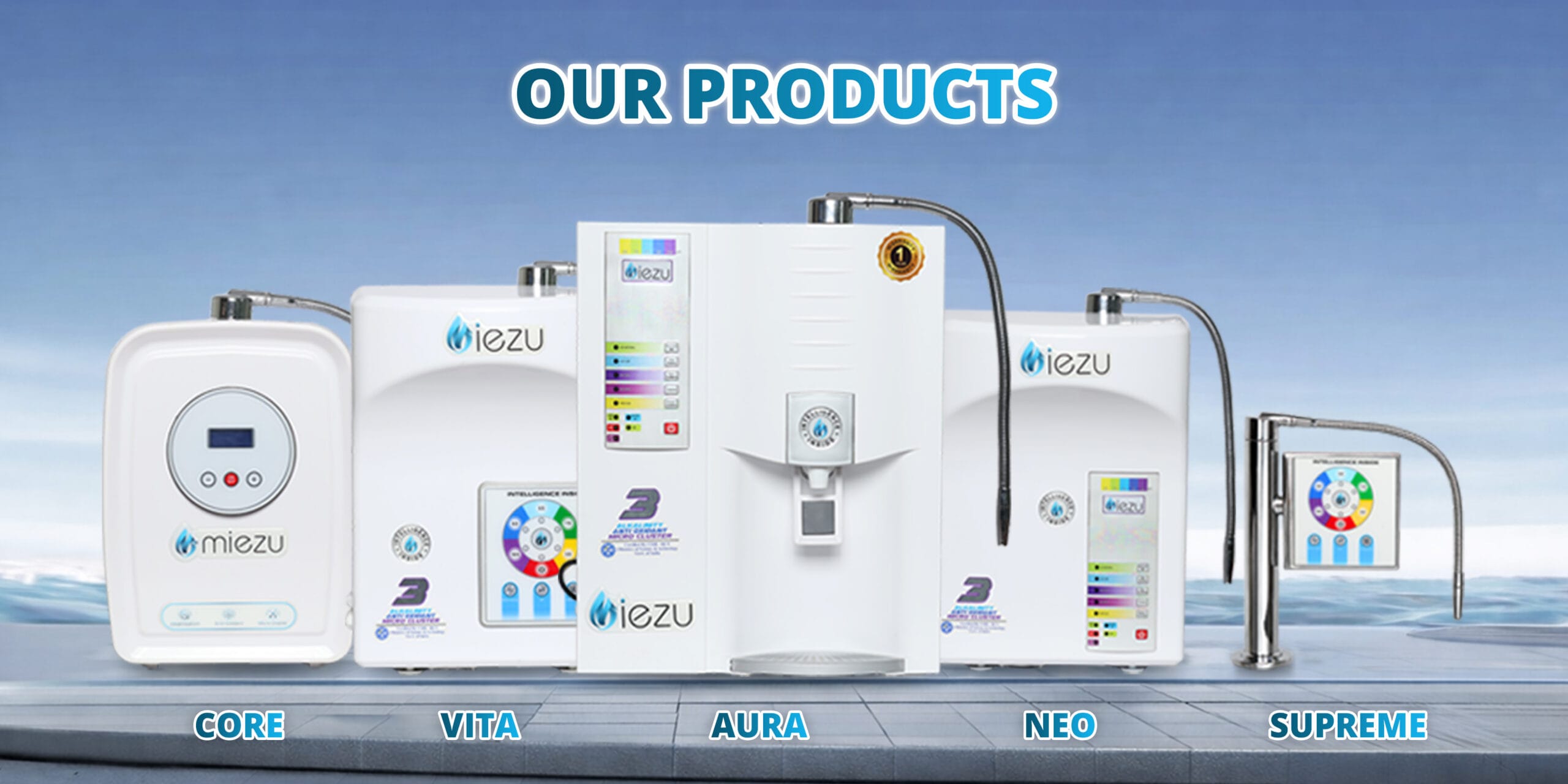
| Miezu Aura / Pro | Smart homes, 2025 buyers | 0–800 ppm | Anti-scale ready |
| Miezu Core | Compact 5-plate & 9-plate homes | < 400 ppm | Best budget pick |
| Panasonic TK-AS700 | Hospitals, high use | 0–500 ppm | Needs pre-filter |
| KYK Gen 2 | North India setups | 0–500 ppm | No auto-descaling |
| Chanson 705 | Long-life plates | 0–800 ppm | Premium segment |
Explore Miezu Alkaline Ionizers
6. Real 5-Year Cost of Ownership (Not Just Purchase Price)
| Cost Element | RO Purifier | Alkaline Ionizer | RO + Ionizer |
|---|---|---|---|
| Upfront Cost | ~₹25,000 | ₹72,000–₹96,000 | ₹1,25,000–₹1,50,000 |
| Annual Filter Cost | ~₹7,000 | ~₹7,500 | ~₹10,500 |
| Water Wasted | 90% per liter | None | RO only |
| Maintenance Visits | High | Low | High |
| Lifespan | 5–8 years | 10–15 years | 10–15 years |
A ₹90,000 ionizer that lasts 12 years = ₹625/month. Most Indian families spend more than that on bottled water.
7. City-Wise Recommendation Matrix (Quick Reference)
| City | Avg Water Source | Recommended Setup |
|---|---|---|
| Mumbai | Lake water (low TDS) | Ionizer-only |
| Pune | Borewell mix | Anti-scale filter + ionizer |
| Gurugram | Deep borewell | RO + ionizer |
| Chennai | Borewell + corporation | RO + ionizer |
| Jaipur | Groundwater | RO mandatory |
| Bangalore | Mixed supply | Pre-filter + ionizer |
| Kochi | Municipal | Ionizer-only |
| Delhi (outer) | Tanker | RO + mineralizer + ionizer |
8. Buyer Checklist (Save Before Buying)
- Check your TDS first (use a ₹300 TDS meter)
- Choose ionizer type based on TDS band from the table above
- Ask for hydrogen ppm and ORP test report
- Confirm internal plate warranty and descaling terms
- Avoid “alkaline filter machines” – not real ionizers
- Don’t buy an ionizer before knowing input water source
Conclusion
RO solves water purity. Ionizers solve water quality and bioavailability. So the question isn’t – which one is better? It’s – which one is better for your home’s water reality?
And in India, that means knowing your city’s TDS before knowing your ionizer model. A properly selected ionizer can last you over a decade with the right setup – but the wrong one can fail in 6 months.
Don’t buy based on brand – buy based on water compatibility. That single shift in decision-making – from “best brand” to “best match for my water” – is what separates lasting value from expensive disappointment.
When you buy based on water compatibility instead of marketing, the device does what it’s supposed to do: support wellness, convenience, and longevity – not become a recurring repair expense.