Blog
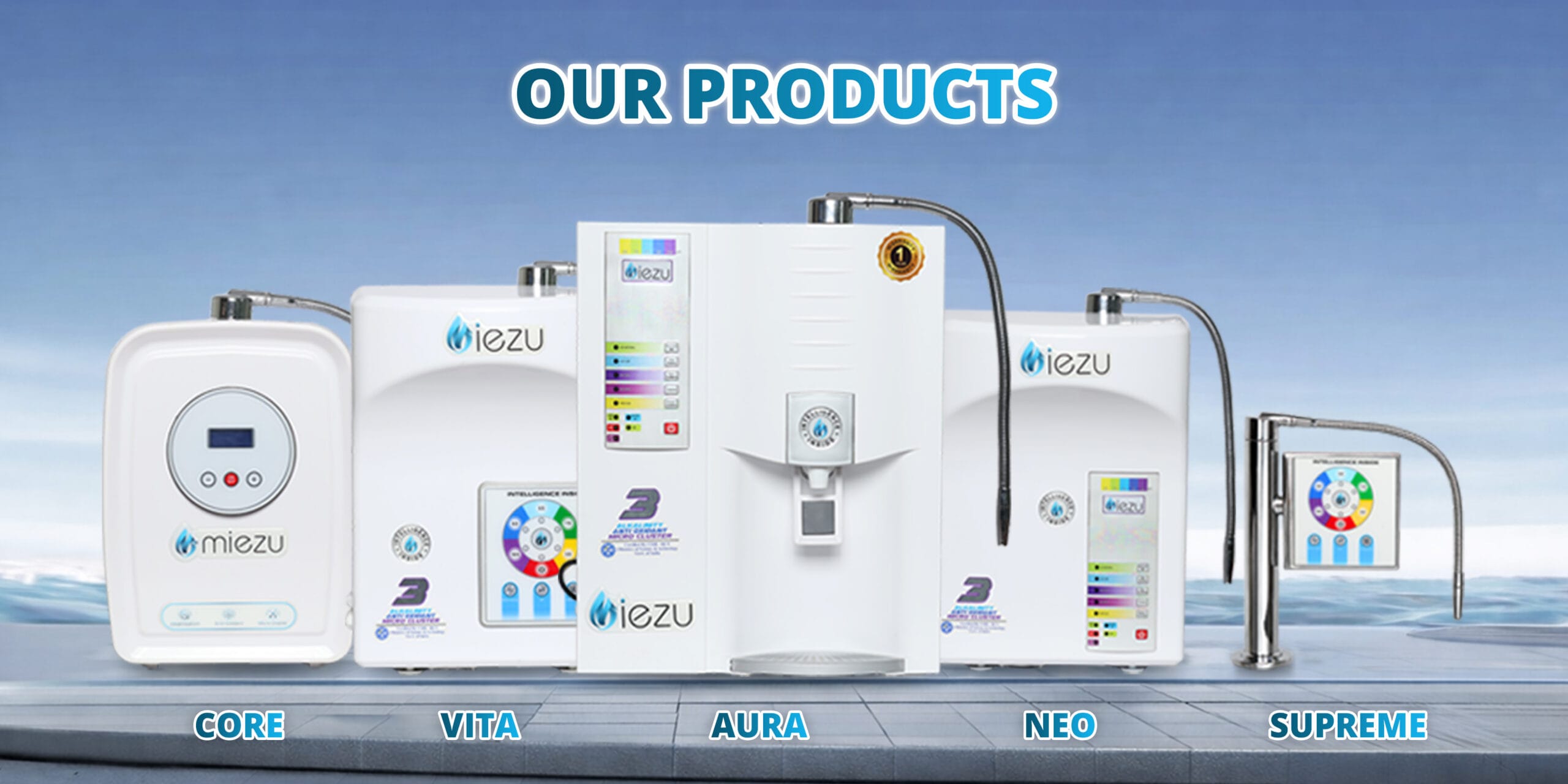

Table of Contents
Introduction
Alkaline water has become one of India’s fastest-growing wellness trends – powered by celebrity endorsements, gym culture, and a surge of devices promising “better hydration,” “anti-aging,” and “acid balance.” But most of what Indians hear about alkaline water is either oversimplified – or flat-out wrong.
What works in Japan, Europe, or the U.S. doesn’t automatically work in India. Our water conditions are fundamentally different – high TDS levels, hard borewell supply, chlorine-heavy municipal water, and widespread RO dependence change how alkaline water behaves inside the body.
The right question isn’t “Is alkaline water good or bad?” – it’s: When is alkaline water helpful, when is it pointless, and when can it actually cause problems in Indian homes?
1. What Alkaline Water Actually Is – And Why India Gets It Wrong
At its core, alkaline water simply means water with a pH above 7.0. Natural alkaline water gets its pH from dissolved minerals. Ionized alkaline water – produced by an alkaline water ionizer – uses electrolysis to adjust pH and generate molecular hydrogen.
India’s water is incredibly diverse:
- Mumbai municipal supply: ~80–200 TDS
- Pune borewell mix: 500–650 TDS
- Chennai: 600–1,100 TDS
- Jaipur and Jodhpur: 1,500+ TDS
Key insight: Alkaline water is not plug-and-play in India. Your city’s TDS determines whether it helps – or harms.
Understanding Indian Water Types
2. Myth #1: “Alkaline Water Has Dangerous Side Effects”
Reality: Alkaline water typically causes discomfort when the pH is pushed too high (above 10.0+) or when key minerals are missing due to over-purified RO water.
Typical “side effects” people mention – bloating, mild nausea, or dryness – in most cases come from:
- A sudden jump to very high pH
- Inconsistent TDS
- Wrong installation (no pre-filter in hard-water cities)
- Poor-quality alkaline pitchers pretending to be ionizers
- Drinking from an RO-only device labeled “alkaline boost”
High-quality ionized alkaline water in the pH 8.5–9.5 range is generally considered safe for healthy adults. Side effects usually come from poor-quality devices or extreme pH – not from properly ionized water.
3. Myth #2: “Alkaline Water Changes Your Body’s pH”
You’ll hear this in many ads: “Alkaline water balances your blood pH.” That’s not how human physiology works.
Your blood pH is tightly regulated by your kidneys and lungs. Drinking alkaline water does not shift blood pH. So where does the benefit actually come from?
- Hydration improves due to micro-mineral content
- Acid reflux may ease because alkaline water can reduce pepsin activity
- Antioxidant properties come from molecular hydrogen, not pH
Reality: Alkaline water does not change blood pH – its benefits come from minerals and hydrogen, not alkalinity.
4. Myth #3: “All Alkaline Water Is the Same”
There are three completely different types of “alkaline water” in the Indian market:
- Alkaline filter pitchers – Cheap, mineral-adding devices. No hydrogen, no electrolysis, no antioxidant value.
- RO purifiers with “alkaline cartridges” – Simply add minerals back after RO; they do not produce ionized alkaline water.
- True alkaline ionizers – Use electrolysis to adjust pH and boost dissolved hydrogen.
Only the third category creates measurable antioxidant potential (negative ORP) and actual functional benefits.
Peer-reviewed research on molecular hydrogen
Reality: Only true alkaline ionizers produce hydrogen and antioxidant effects – most “alkaline” products are just mineralized water.
5. Myth #4: “Alkaline Water Works for Everyone”
Nothing in nutrition or hydration works the same for every person. Indian consumers need to be especially aware of:
- Your age – Older adults may benefit more from hydrogen-rich alkaline water because oxidative stress typically increases with age.
- Your digestion – People with low stomach acid may feel discomfort if they drink very high pH water on an empty stomach.
- Your water source – Hard water cities need pre-filtration; soft water cities do not.
- Existing health conditions – Those with kidney disorders should consult a physician before drinking highly alkaline water.
Reality: Alkaline water isn’t universal – its benefits depend on age, digestion, water quality, and individual health.
6. Myth #5: “Alkaline Water Causes Mineral Imbalance”
This myth usually comes from confusion around RO water (which lacks minerals), artificially alkalized water (mineral packets), and ionizer water (which retains natural minerals).
Ionizers don’t “add” synthetic minerals – they simply preserve what already exists in the water. Where mineral imbalance does happen is when people rely solely on RO-only water long term, which can be acidic and low-mineral.
Reality: Mineral imbalance is a risk with long-term RO-only water, not with properly configured alkaline ionizers.
7. Myth #6: “Alkaline Water Heals Diseases”
There is no scientific evidence that alkaline water can cure any disease – including diabetes, cancer, thyroid disorders, or autoimmune issues.
Here’s what research does show:
- Hydrogen-rich alkaline water may help oxidative stress
- It may support recovery, inflammation reduction, or metabolic markers
- It is a wellness-supportive hydration tool, not a treatment
Reality: Alkaline water doesn’t cure diseases – it may support hydration and oxidative balance, not replace medical treatment.
8. What the Real Science Says About Long-Term Use
Long-term alkaline water consumption is considered safe for most adults – particularly when:
- pH stays between 8.5 and 9.5
- Water is consumed fresh (hydrogen dissipates quickly)
- The ionizer is paired with proper pre-filtration in high-TDS cities
- The system is maintained regularly
Common benefits supported by emerging research include: better hydration, improved antioxidant capacity, reduced acid reflux, support for metabolic conditions, and improved exercise recovery.
The risks come almost entirely from poor-quality devices, incorrect installations, or unrealistic expectations – not from alkaline water itself.
9. Practical Takeaways (India-Focused)
- Alkaline water is safe when pH is moderate
- Most “side effects” are from bad devices or wrong pH selection
- Only ionizers generate hydrogen – not pitchers or RO-only machines
- Pre-filtration matters in cities with high TDS (350+)
- Benefits come from hydrogen + minerals, not high alkalinity
- Don’t rely on alkaline water for medical treatment
- Start slow: pH 8.5 → 9.0 → 9.5 over weeks
10. Choosing the Right Ionizer
An alkaline ionizer is only as effective as your water source allows it to be. Your choice of device should be based on:
- Your city’s TDS
- Water hardness
- Whether you use RO before the ionizer
- Desired hydrogen output
- Filter lifespan
The real question isn’t whether to drink alkaline water – but which setup actually works with your water.
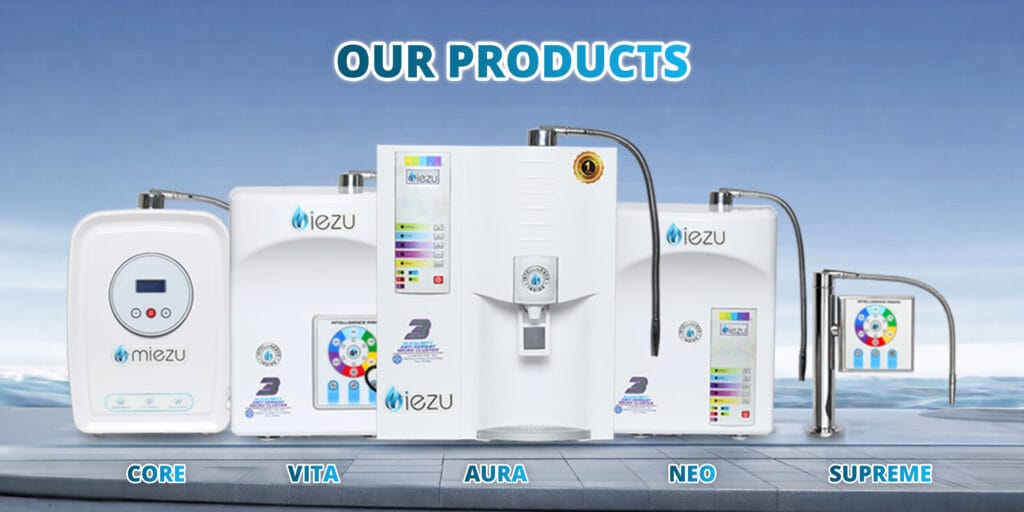
Explore Miezu Alkaline Ionizers
Conclusion
Alkaline water isn’t magic. It isn’t dangerous. And it certainly isn’t a cure for the many health conditions it’s often credited with online.
What it can be – when done correctly – is a meaningful upgrade to everyday hydration. The real value doesn’t come from extreme alkalinity. It comes from moderate pH, naturally occurring minerals, and dissolved molecular hydrogen, delivered through a system that’s properly matched to your water source.
In a country like India, where water quality can change every few kilometers, healthy hydration isn’t about trends or extremes – it’s about informed precision.