Blog
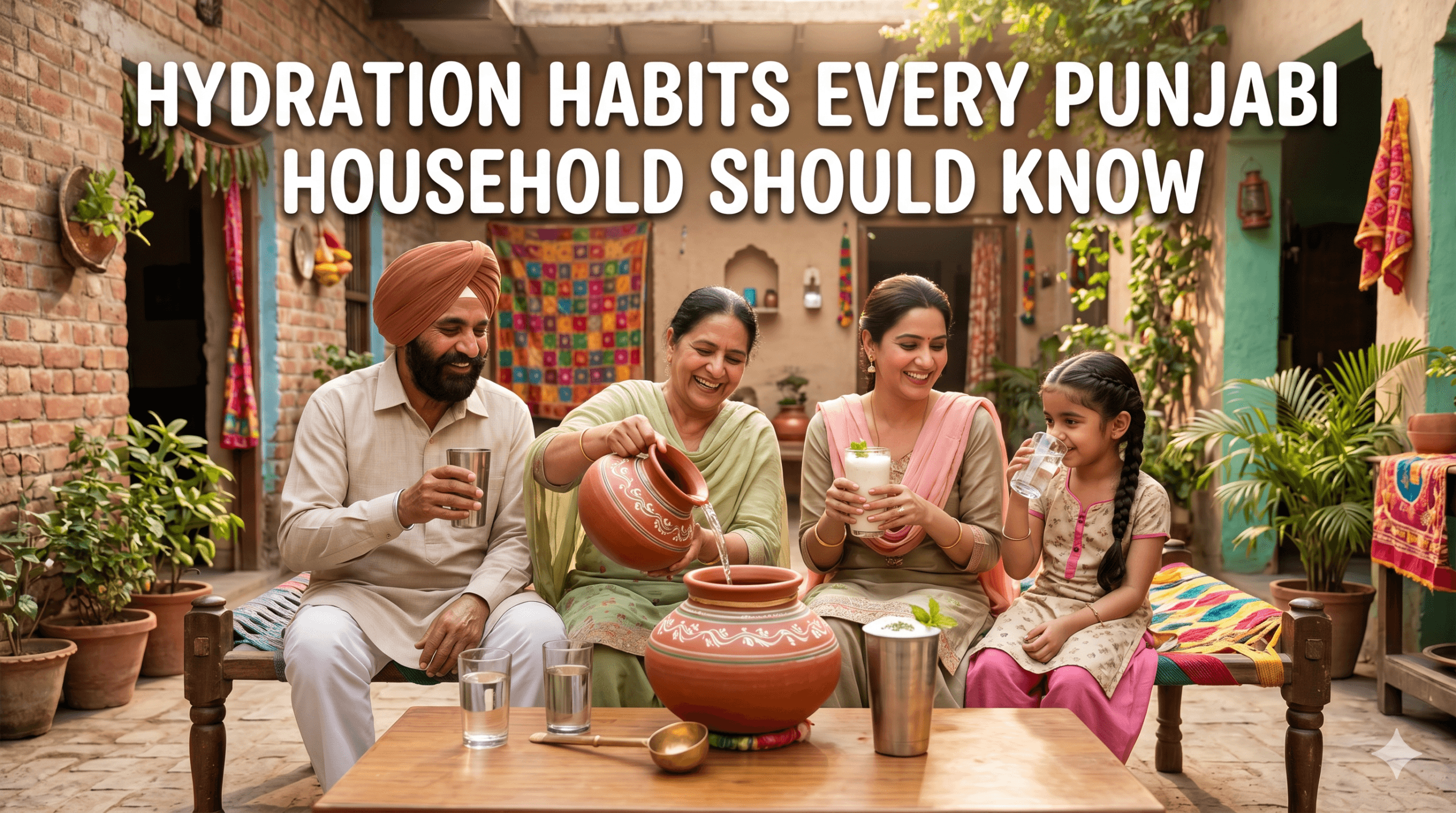

Table of Contents
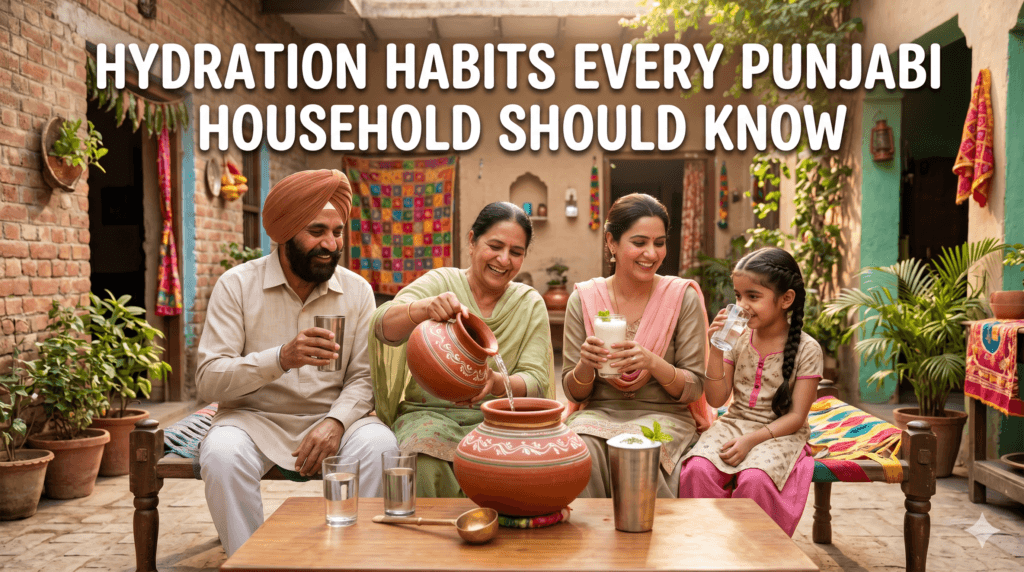
Punjab is known for its rich culture, vibrant lifestyle, agricultural heritage, and love for food. From buttery parathas and lassi to spicy curries and festive feasts, Punjabi households celebrate food as an integral part of daily life. However, amidst this culinary richness and active lifestyle, one critical aspect of health is often overlooked: hydration.
With Punjab experiencing scorching summers, high agricultural activity, increasing urbanization, and changing weather patterns, maintaining proper hydration habits has become more important than ever. Whether you’re a farmer working in the fields, a professional in Chandigarh, a student in Ludhiana, or a homemaker in Amritsar, your body depends on adequate hydration habits for optimal health.
The challenge is that many people assume drinking water only when thirsty is enough. In reality, hydration is a daily habit that directly impacts digestion, energy levels, immunity, skin health, and overall wellbeing.
This guide explores the hydration habits every Punjabi household should know to stay healthy, active, and resilient throughout the year.
Why Hydration Matters More Than Ever in Punjab
Punjab’s Climate Creates Higher Hydration Demands
Punjab experiences some of the most extreme seasonal variations in India.
According to the India Meteorological Department, several districts across Punjab regularly experience summer temperatures above 40°C, with heatwave conditions becoming more frequent in recent years. Extended exposure to high temperatures significantly increases fluid loss through sweating, making proactive hydration essential.
During summer months:
- Temperatures often exceed 40°C
- Outdoor activities increase fluid loss
- Agricultural workers spend long hours in the sun
- Dehydration risks rise significantly
Even during winter, indoor heating, dry air, and reduced water consumption can contribute to hidden dehydration.
The result is that hydration habits should not be viewed as a summer-only concern.
Modern Lifestyles Increase Dehydration Risk
Today’s Punjabi households often balance:
- Long work hours
- Busy schedules
- School and college commitments
- Outdoor commuting
- Physical activity
Many individuals consume tea, coffee, soft drinks, and sugary beverages throughout the day while unintentionally reducing their actual water intake.
This creates a situation where dehydration becomes common despite frequent beverage consumption.
Understanding Dehydration: The Silent Health Issue
What Happens When You Don’t Drink Enough Water?
Water supports nearly every function within the body.
It helps with:
- Digestion
- Blood circulation
- Nutrient transport
- Temperature regulation
- Joint lubrication
- Cellular repair
When water intake falls short, the body begins conserving fluids, leading to reduced efficiency across multiple systems.
Common Signs of Dehydration
Many Punjabi families mistake dehydration symptoms for fatigue or stress.
Warning signs include:
- Dry mouth
- Headaches
- Fatigue
- Dizziness
- Low energy
- Muscle cramps
- Dark urine
- Reduced concentration
These symptoms often improve significantly when hydration habits improve. Health experts note that even mild dehydration can affect physical performance, concentration, mood, and energy levels. Because early symptoms often resemble fatigue or stress, many individuals fail to recognize dehydration until it begins affecting daily activities.
When to Seek Medical Attention
While mild dehydration can often be corrected by increasing fluid intake, severe dehydration may require prompt medical attention. Seek medical help if dehydration causes:
- Confusion or unusual drowsiness
- Fainting or loss of consciousness
- Rapid heartbeat
- Inability to keep fluids down due to persistent vomiting
- Very little or no urine output
- Severe weakness or dizziness that does not improve
Young children, older adults, and individuals working outdoors during Punjab’s hot summers may be particularly vulnerable to severe dehydration and should be monitored closely.
Hydration Habits #1: Start Every Morning With Water
Rehydrate After Sleep
After 7–8 hours of sleep, the body naturally wakes up in a mildly dehydrated state.
Drinking water first thing in the morning helps:
- Replenish fluids
- Support digestion
- Improve alertness
- Kickstart metabolism
Many health-conscious families now make morning hydration a non-negotiable part of their routine.
Make It a Family Habit
Encourage every family member to drink water shortly after waking up.
Simple habits practiced consistently often create the greatest health benefits.
Hydration Habits #2: Don’t Wait Until You’re Thirsty
Thirst Is a Late Signal
One of the biggest hydration mistakes is relying entirely on thirst.
By the time you feel thirsty:
- Mild dehydration may have already begun
- Energy levels may have dropped
- Concentration may be affected
Instead:
- Drink small amounts regularly
- Keep water accessible
- Build hydration into daily routines
This approach is particularly important during Punjab’s hot summers.
Hydration Habits #3: Increase Water Intake During Agricultural Work
Farmers Face Unique Hydration Challenges
Punjab’s agricultural workforce spends extended periods outdoors. They are among the groups most vulnerable to heat-related illnesses due to prolonged sun exposure and physical exertion. Public health advisories consistently recommend regular hydration breaks and adequate fluid intake during peak summer months.
Field work during summer leads to:
- Excessive sweating
- Increased fluid loss
- Higher risk of heat exhaustion
Farmers should:
- Carry sufficient drinking water
- Take hydration breaks
- Drink before feeling thirsty
- Avoid excessive sugary beverages
Proper hydration can significantly improve physical performance and recovery.
Hydration Habits #4: Balance Tea Consumption With Water
Tea Is a Punjabi Household Staple
Few beverages are as deeply integrated into Punjabi culture as chai.
While tea can contribute to daily fluid intake, it should not replace water entirely.
A practical rule is:
For every cup of tea consumed, drink additional water throughout the day.
This helps maintain better hydration balance.
Hydration Habits #5: Include Water-Rich Foods in Daily Meals
Hydration Doesn’t Only Come From Water
Many Punjabi foods naturally contribute to hydration.
Examples include:
- Cucumber
- Watermelon
- Muskmelon
- Tomatoes
- Citrus fruits
- Yogurt
- Buttermilk
These foods provide both fluids and essential nutrients.
Traditional Punjabi Foods Already Support Hydration
Several traditional foods naturally aid hydration.
Examples include:
- Chaas (buttermilk)
- Homemade curd
- Seasonal fruits
- Fresh salads
These foods can complement daily water intake effectively.
Hydration Habits #6: Keep Water Accessible Throughout the House
Convenience Increases Consumption
People drink more water when it is easily available.
Consider placing water stations:
- In the kitchen
- Living room
- Study areas
- Bedrooms
Visibility often acts as a natural reminder.
Hydration Habits #7: Prioritize Children’s Hydration
Children Often Forget to Drink Water
Kids become absorbed in:
- School activities
- Sports
- Mobile devices
- Outdoor play
As a result, they may not recognize dehydration early.
Parents should:
- Pack water bottles
- Encourage regular water breaks
- Monitor intake during summer
Hydration habits established during childhood often last a lifetime.
Hydration Habits #8: Support Senior Citizens
Aging Reduces Thirst Awareness
Many older adults naturally experience a weaker thirst response.
This increases dehydration risk.
Families should encourage seniors to:
- Drink water consistently
- Consume hydrating foods
- Monitor fluid intake daily
Proper hydration supports mobility, energy, and overall wellbeing.
Hydration Habits #9: Stay Hydrated During Festivals and Celebrations
Punjabi Celebrations Often Involve Rich Foods
Whether it’s:
- Lohri
- Baisakhi
- Weddings
- Family gatherings
Rich meals can increase the body’s hydration requirements.
Balancing festive foods with adequate water intake supports digestion and overall comfort.
Hydration Habits #10: Focus on Water Quality Along With Quantity
Clean Water Is Essential
Hydration is not only about drinking more water.
Families should also pay attention to:
- Water safety
- Filtration quality
- Mineral content
- Taste
Better-tasting water often encourages higher daily consumption.
Check out more Hydration Hacks given by UCLA.
Why Filtration Matters
The quality of the water we drink is just as important as the quantity. Effective water filtration can help reduce contaminants while improving the overall drinking experience for families.
In many urban and semi-urban areas, concerns about water quality may include sediment, chlorine, unwanted odors, and other impurities that can affect both taste and confidence in drinking water.
Understanding TDS and Mineral Balance
Many families are becoming more aware of Total Dissolved Solids (TDS), which refers to the minerals and dissolved substances present in water.
While excessively high TDS can affect taste and palatability, extremely low TDS water may also remove naturally occurring minerals that contribute to a pleasant drinking experience. The goal is often to achieve a balance between purification and maintaining desirable mineral content.
Taste Influences Hydration Habits
One often-overlooked factor in hydration is taste.
When water tastes fresh, clean, and pleasant, family members are generally more likely to drink it regularly throughout the day. Conversely, water with an unpleasant taste or odor may discourage adequate consumption.
For this reason, many health-conscious Punjabi households are paying greater attention not only to how much water they drink, but also to the quality and taste of the water available at home.
The Growing Interest in Advanced Hydration Solutions
Across Punjab, health-conscious families are becoming increasingly interested in water technologies that focus on:
- Water purity
- Mineral retention
- Enhanced hydration
- Better drinking experiences
This has led many households to explore modern alkaline water ionizers and advanced water purification systems.
Check out the Best Water Purifier for Home in India
Understand what is the difference: Alkaline Water vs RO Water
How Proper Hydration Supports Punjabi Lifestyles
Better Digestion
Hydration helps support:
- Nutrient absorption
- Digestive efficiency
- Regular bowel movements
This becomes especially important when consuming rich and flavorful meals.
Improved Energy Levels
Water supports:
- Blood circulation
- Oxygen transport
- Cellular function
Even mild dehydration can cause noticeable fatigue.
Healthier Skin
Proper hydration contributes to:
- Skin elasticity
- Natural glow
- Reduced dryness
This benefit is particularly valuable during extreme seasonal conditions.
Enhanced Physical Performance
Whether working in agriculture, exercising, or managing daily responsibilities, hydration supports endurance and recovery.
Frequently Asked Questions
How much water should adults drink daily?
Water needs vary based on age, activity level, climate, and health conditions. Individuals living in hot climates often require higher fluid intake.
Is tea enough to stay hydrated?
Tea contributes to fluid intake but should not replace water as the primary hydration source.
Why is dehydration common during Punjab summers?
High temperatures increase sweating and fluid loss, making regular hydration essential.
Which foods help improve hydration?
Watermelon, cucumber, muskmelon, oranges, tomatoes, yogurt, and buttermilk are excellent hydrating foods.
Can dehydration affect energy levels?
Yes. Even mild dehydration can reduce concentration, physical performance, and overall energy.
Why should families focus on water quality?
Clean, safe, and pleasant-tasting water encourages regular consumption and supports better hydration habits.
Hydration Is Becoming a Public Health Priority
Across India, rising temperatures and more frequent heatwaves have prompted governments, schools, healthcare professionals, and public health agencies to place greater emphasis on hydration awareness. From school hydration initiatives to heatwave action plans, the message is increasingly clear: maintaining adequate hydration is one of the simplest and most effective ways to protect health during extreme weather conditions.
Conclusion
Hydration is one of the simplest yet most powerful tools for maintaining health, energy, and wellbeing. For Punjabi households, where active lifestyles, rich cuisine, and extreme seasonal temperatures are part of everyday life, proper hydration becomes even more important.
By adopting simple habits such as drinking water regularly, starting the day with hydration, supporting children’s water intake, monitoring seniors, and prioritizing water quality, families can significantly improve their health outcomes.
As Punjab continues to experience hotter summers and increasingly unpredictable weather patterns, building strong hydration habits today can help families stay healthier, more energetic, and better prepared for the future. The future of wellness is not built on complex solutions. Sometimes it begins with a simple glass of water consumed at the right time. For Punjabi households looking to stay healthy, energized, and resilient, hydration remains one of the smartest daily investments they can make.