Blog
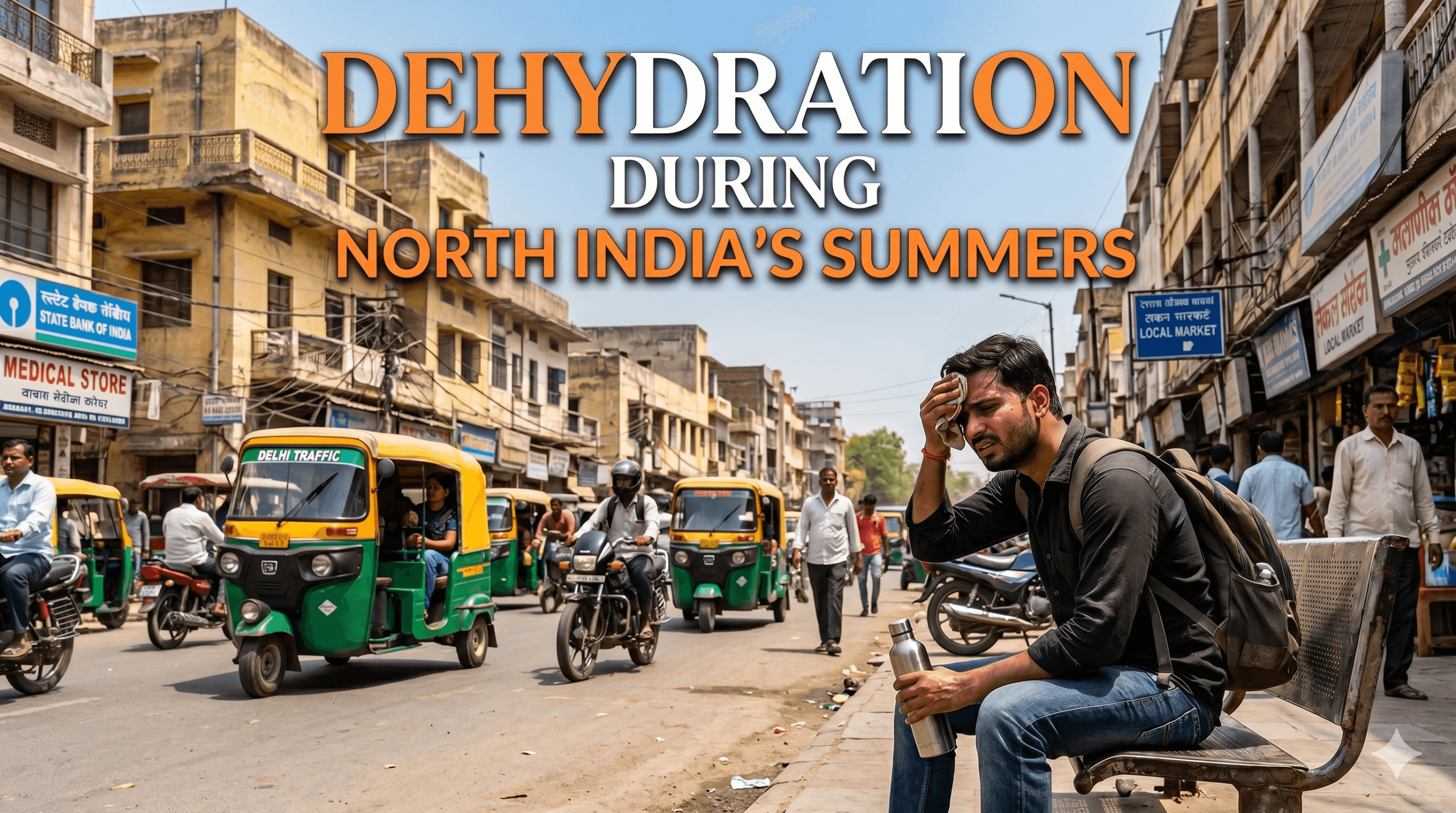

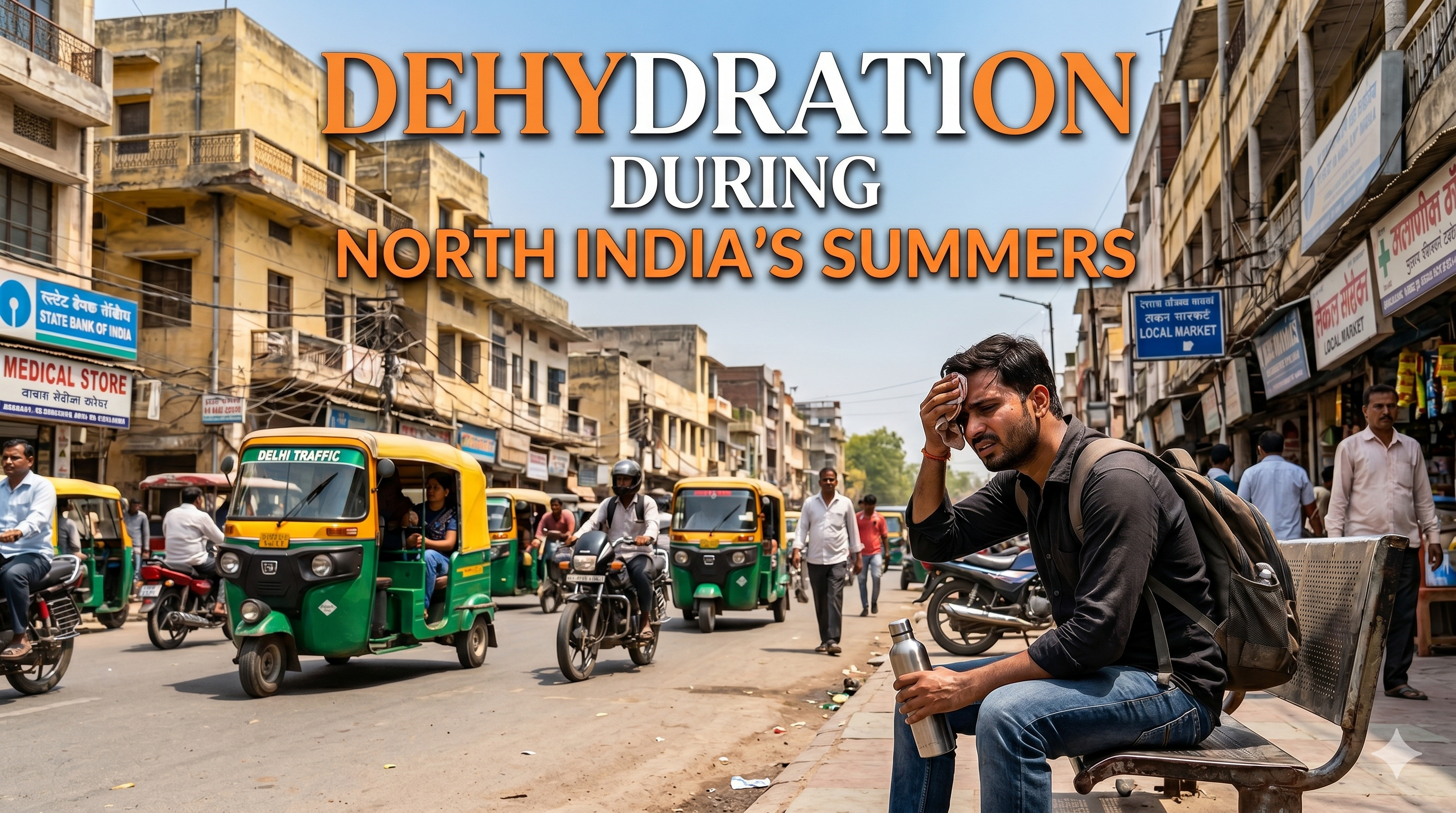
Every summer, millions of families across North India prepare for soaring temperatures, rising electricity bills, and relentless heatwaves. From Delhi and Gurgaon to Chandigarh, Jaipur, Lucknow, and Amritsar, summer temperatures frequently cross 40°C and often remain elevated for weeks at a time.
Most people understand that dehydration can cause thirst, fatigue, or headaches. However, very few realize the true cost of dehydration.
The impact extends far beyond temporary discomfort. Dehydration silently affects productivity, cognitive performance, physical health, immunity, digestion, sleep quality, skin health, workplace performance, academic outcomes, and even household healthcare expenses.
In many cases, families spend thousands of rupees treating symptoms that could have been prevented through better hydration habits.
As climate change continues to intensify heatwaves across India, understanding the hidden costs of dehydration is no longer optional—it is essential for protecting the health and wellbeing of every family member.
Heatwaves Are Becoming the New Normal
North India has experienced increasingly severe heatwaves in recent years, with temperatures frequently exceeding 45°C in several regions. Longer periods of extreme heat increase daily water requirements and place greater strain on the body’s cooling mechanisms.
Why Dehydration Is Becoming a Bigger Problem in North India
Rising Temperatures Are Changing Daily Life
Over the past decade, North India has experienced:
- More frequent heatwaves
- Longer summers
- Higher average temperatures
- Increased humidity in urban areas
- Greater exposure to extreme weather conditions
Cities such as Delhi, Gurgaon, Noida, Chandigarh, Jaipur, and Lucknow regularly experience temperatures above 42°C during peak summer months.
This increase in environmental heat places significant stress on the human body.
Health experts consistently identify hydration as one of the primary protective measures during heatwaves, particularly for children, older adults, outdoor workers, and individuals with existing health conditions.
Most People Underestimate Their Water Requirements
Many individuals assume they drink enough water because they consume:
- Tea
- Coffee
- Soft drinks
- Energy drinks
- Fruit juices
However, these beverages do not always adequately replace the water lost through:
- Sweating
- Breathing
- Physical activity
- Daily metabolic processes
As a result, many people remain mildly dehydrated without realizing it.
Understanding What Dehydration Really Does to the Body
Water Powers Every System in the Human Body
The human body is approximately 60% water.
Water supports:
- Brain function
- Blood circulation
- Digestion
- Nutrient transport
- Temperature regulation
- Joint lubrication
- Cellular repair
- Waste elimination
Even small reductions in hydration levels can affect how efficiently these systems operate.
Mild Dehydration Is More Serious Than Most People Think
Many people associate dehydration with extreme symptoms.
Research suggests that even mild dehydration equivalent to a loss of approximately 1–2% of body weight can begin affecting cognitive performance, mood, concentration, and physical performance.
In reality, losing just 1–2% of body water can begin affecting:
- Attention span
- Memory
- Mood
- Energy levels
- Physical performance
This means dehydration often starts affecting health long before noticeable symptoms appear.
The Hidden Productivity Cost of Dehydration
Workplace Performance Suffers
For professionals across Delhi NCR, Chandigarh, Mohali, Gurgaon, and other business hubs, dehydration can significantly impact daily productivity.
Studies have shown that inadequate hydration can contribute to:
- Reduced concentration
- Slower decision-making
- Increased mental fatigue
- Lower work efficiency
- Reduced creativity
Employees who remain dehydrated throughout the day often experience an afternoon productivity crash that is mistakenly attributed to workload or stress.
Long Commutes Increase Risk
Many North Indian professionals spend:
- Hours in traffic
- Time in public transportation
- Time walking outdoors
During summer, these activities accelerate fluid loss.
Without regular hydration, physical and mental performance can decline throughout the workday.
The Academic Cost of Dehydration
Students Are Among the Most Vulnerable
Children and teenagers often fail to recognize dehydration symptoms early.
Many students:
- Forget to drink water
- Avoid carrying water bottles
- Become distracted during classes
- Spend time outdoors during recess
As temperatures rise, these habits can affect learning outcomes.
How Dehydration Affects Learning
The brain depends heavily on water.
Even mild dehydration can negatively impact:
- Memory retention
- Concentration
- Problem-solving ability
- Classroom participation
- Examination performance
This is one of the reasons several Indian states have introduced hydration awareness programs and water bell initiatives in schools.
The Healthcare Cost of Dehydration
Small Symptoms Lead to Bigger Expenses
Many common health complaints during summer are linked to inadequate hydration.
Examples include:
- Headaches
- Fatigue
- Muscle cramps
- Dizziness
- Constipation
- Digestive discomfort
These symptoms often lead to:
- Doctor consultations
- Diagnostic tests
- Medication expenses
- Missed workdays
Improving hydration habits can significantly reduce the frequency of many preventable summer health issues.
Increased Risk of Heat-Related Illnesses
Severe dehydration can contribute to:
- Heat exhaustion
- Heat cramps
- Low blood pressure
- Heatstroke
During periods of extreme heat, the risk of heat-related illnesses rises significantly when fluid losses through sweating are not adequately replaced. This makes proactive hydration one of the most important preventive measures during North India’s summer heatwaves.
Heatstroke is a medical emergency and can require hospitalization.
The financial burden of treating severe heat-related illnesses can be substantial.
The Hidden Cost to Physical Performance
Athletes and Fitness Enthusiasts Are Affected First
Many people focus on exercise intensity while ignoring hydration.
However, dehydration can reduce:
- Endurance
- Strength
- Recovery speed
- Exercise performance
Even recreational fitness enthusiasts may notice:
- Earlier fatigue
- Reduced workout quality
- Longer recovery periods
Outdoor Workers Face Greater Risks
Construction workers, delivery personnel, farmers, and field professionals often lose significant amounts of water throughout the day.
Without adequate fluid replacement, productivity and safety can decline dramatically.
The Digestive Cost of Dehydration
Poor Hydration Slows Digestion
Water plays a vital role in digestive health.
Adequate hydration supports:
- Nutrient absorption
- Smooth digestion
- Healthy bowel movements
- Waste elimination
When hydration levels fall, digestive efficiency often suffers.
Common Digestive Problems Linked to Dehydration
These may include:
- Constipation
- Bloating
- Acid reflux discomfort
- Sluggish digestion
In North India, where diets often include rich, spicy, and calorie-dense foods, hydration becomes even more important.
The Skin and Beauty Cost of Dehydration
Your Skin Reflects Your Hydration Status
The skin is one of the first places where dehydration becomes visible.
Common signs include:
- Dryness
- Dullness
- Reduced elasticity
- Increased appearance of fine lines
Many people invest heavily in skincare products while overlooking one of the most fundamental factors behind healthy skin: hydration.
Heatwaves Accelerate Water Loss
Excessive sweating during summer increases fluid requirements.
Without proper hydration, maintaining healthy skin becomes more difficult.
The Cost to Senior Citizens
Older Adults Face Higher Risks
As people age:
- Thirst sensation becomes weaker
- Water intake often decreases
- Heat tolerance declines
This makes seniors particularly vulnerable during North Indian summers.
Consequences of Dehydration in Older Adults
These may include:
- Weakness
- Dizziness
- Falls
- Confusion
- Hospital visits
Families should actively encourage hydration among elderly members.
The Cost to Children
Children Lose Water Faster
Children:
- Have smaller bodies
- Are highly active
- Often forget to drink water
This combination makes dehydration particularly common during summer vacations and school activities.
Impact on Growth and Activity
Proper hydration supports:
- Physical activity
- Learning
- Concentration
- Overall health
Children who remain adequately hydrated are often more energetic and active throughout the day.
Why Water Quality Matters Along With Water Quantity
Drinking More Water Is Only Part of the Solution
As hydration awareness grows, many families are beginning to focus not only on how much water they drink but also on the quality of that water.
Hydration is easier to maintain when clean, good-tasting water is readily available throughout the home. Families often find that consistent access to quality drinking water encourages higher daily water consumption.
Key considerations include:
- Purity
- Taste
- Mineral content
- Accessibility
When water tastes better and is readily available, people tend to drink more consistently.
The Rise of Wellness-Focused Hydration
Health-conscious households are increasingly exploring modern water technologies that focus on:
- Advanced purification
- Mineral retention
- Better hydration experiences
- Long-term wellness
This growing interest reflects a broader shift toward preventive healthcare and healthier lifestyles.
Check out the Best Water Purifier for Home in India
Understand the difference between RO Water and Alkaline Water
Understanding Water Types for Different use cases.
How Much Can Dehydration Really Cost a Family?
While costs vary, dehydration can indirectly contribute to:
Health Costs
- Doctor visits
- Medication expenses
- Diagnostic tests
Productivity Costs
- Missed workdays
- Reduced efficiency
- Lower performance
Education Costs
- Reduced concentration
- Academic underperformance
- Lower learning outcomes
Lifestyle Costs
- Fatigue
- Reduced exercise performance
- Poor sleep quality
- Lower overall wellbeing
When viewed collectively, dehydration can become surprisingly expensive.
A Quick Look at the Hidden Costs of Dehydration
| Area | Potential Cost of Dehydration |
| Health | Doctor visits, medication expenses, diagnostic tests |
| Work | Reduced productivity, mental fatigue, missed workdays |
| Education | Lower concentration, reduced learning performance, academic underperformance |
| Fitness | Reduced endurance, slower recovery, decreased exercise performance |
| Lifestyle | Fatigue, poor sleep quality, reduced overall wellbeing |
While any single effect may seem minor, the combined impact of dehydration can influence health, performance, and quality of life across an entire household.
Practical Strategies to Avoid Dehydration
Create Daily Hydration Habits
Successful families often:
- Drink water before feeling thirsty
- Carry reusable water bottles
- Set hydration reminders
- Monitor children’s intake
- Encourage seniors to drink regularly
Consume Water-Rich Foods
Excellent options include:
- Watermelon
- Cucumber
- Muskmelon
- Oranges
- Tomatoes
- Yogurt
- Buttermilk
Increase Intake During Heatwaves
Water requirements rise significantly during periods of extreme heat.
Families should proactively increase hydration rather than waiting for symptoms to appear.
Here is another guide on Avoiding Dehydration by WebMD.
Frequently Asked Questions
Why is dehydration more common during North Indian summers?
High temperatures increase sweating and fluid loss, making it easier to become dehydrated throughout the day.
Can mild dehydration affect productivity?
Yes. Even mild dehydration can reduce concentration, mental performance, and work efficiency.
How does dehydration affect students?
Dehydration can impair memory, attention span, classroom participation, and academic performance.
Does dehydration impact digestion?
Yes. Poor hydration can contribute to constipation, bloating, and slower digestive function.
Can dehydration affect skin health?
Yes. Dehydrated skin often appears dry, dull, and less elastic.
Why should families focus on hydration during heatwaves?
Proper hydration helps regulate body temperature, supports organ function, improves energy levels, and reduces the risk of heat-related illnesses.
Conclusion
The true cost of dehydration during North India’s summers extends far beyond feeling thirsty. It impacts productivity, learning, health, fitness, digestion, skin quality, and overall quality of life.
As heatwaves become more frequent and temperatures continue to rise, hydration must become a daily health priority rather than an occasional concern.
For families across Delhi, Gurgaon, Chandigarh, Jaipur, Lucknow, and the broader North Indian region, developing smarter hydration habits may be one of the simplest and most effective investments in long-term health and wellbeing.
The reality is simple: the cost of staying hydrated is minimal. The cost of dehydration can be far greater than most people realize.